


Subscribe to CINEPUB Youtube
Script: Andrei Blaier
Producer: Sidonia Caracas
Image: Dinu Tănase
Editing: Maria Neagu
Souond: Nicolae Ciolca
Music: Radu Șerban
Cast: Draga Olteanu Matei, Eliza Petrăchescu, Carmen Galin, Elena Albu, Dan Nuțu, Gheorghe Dinică, Ana Ciclovan, George Mihăiță, Paul Ioachim, Constantin Florescu, Dumitru Chesa, George Negoescu, Marcel Gingulescu, Gheorghe Tomescu, Jana Gorea, Petre Gheorghiu-Goe, Traian Petruț, Haralambie Polizu, Traian Danceanu, Eugen Mandric, Astra Dan, Petre Vasilescu, Dumitru Onofrei
Plot summary
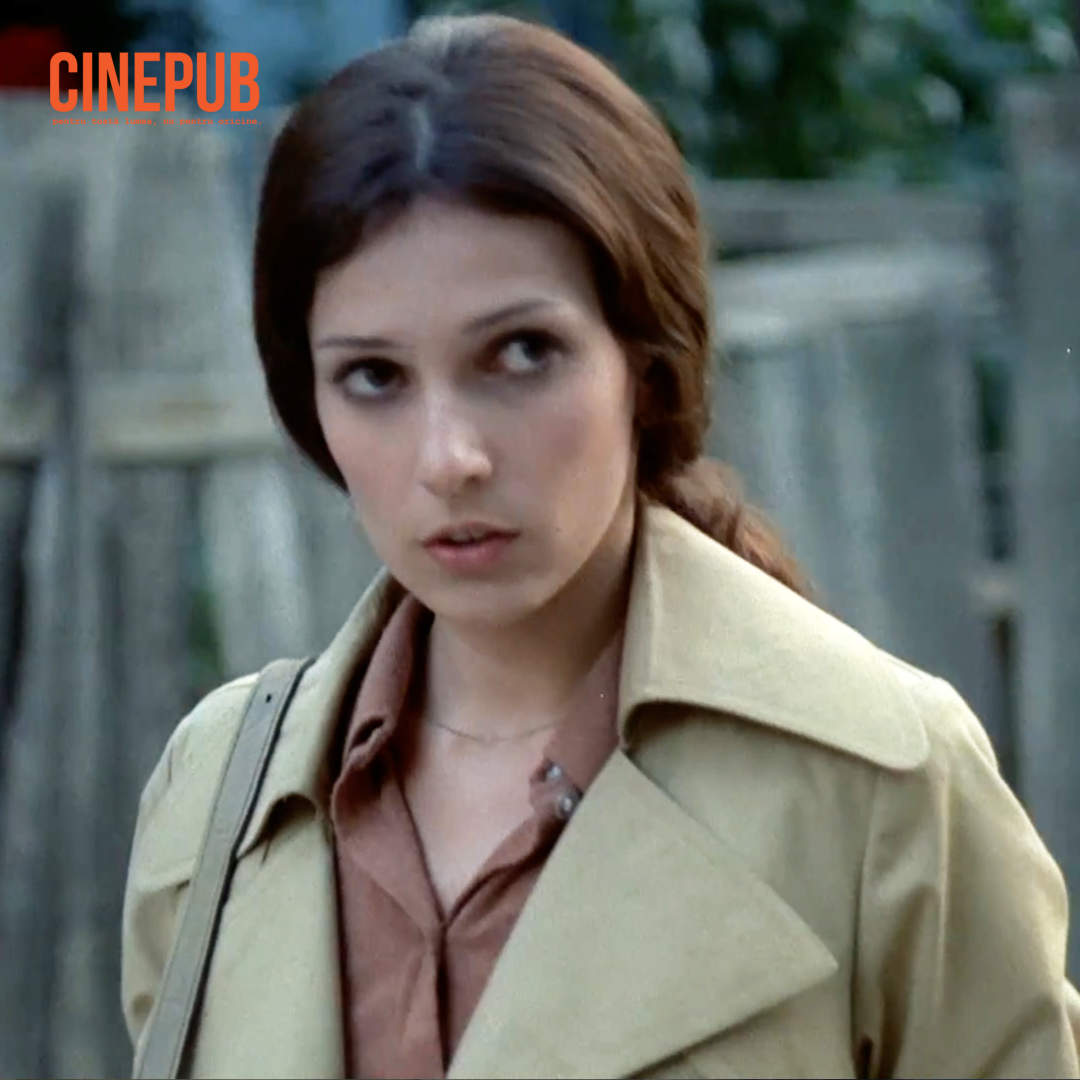
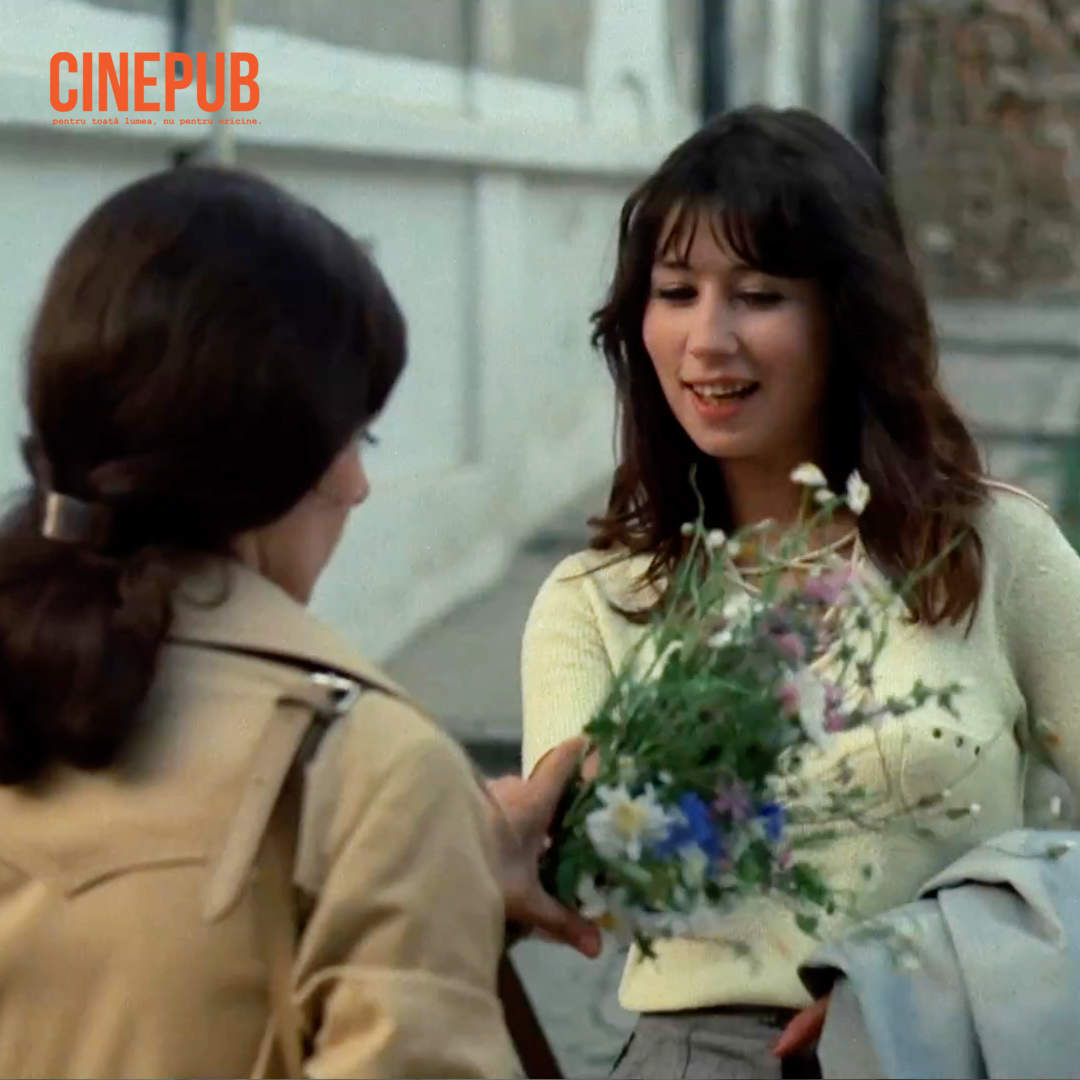
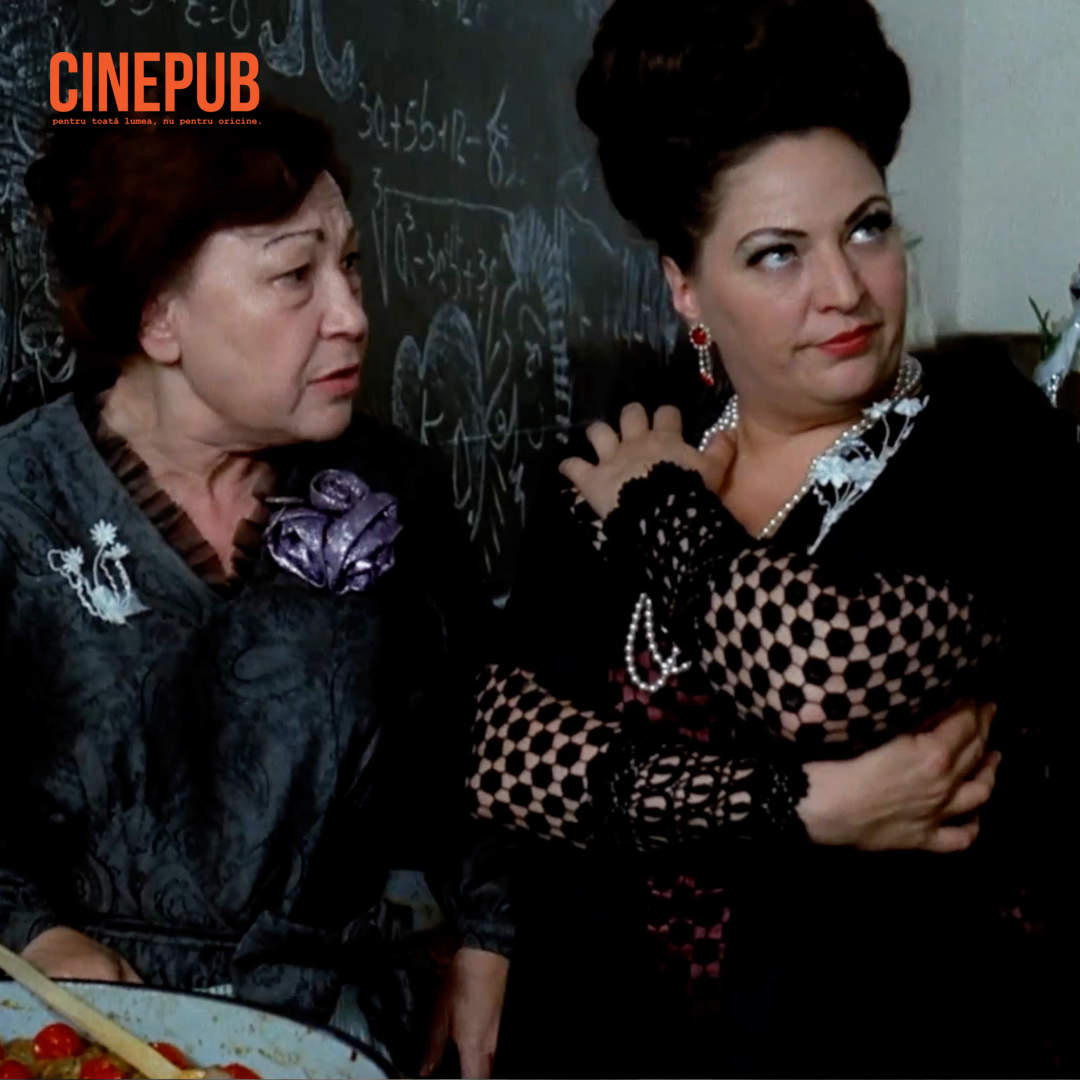
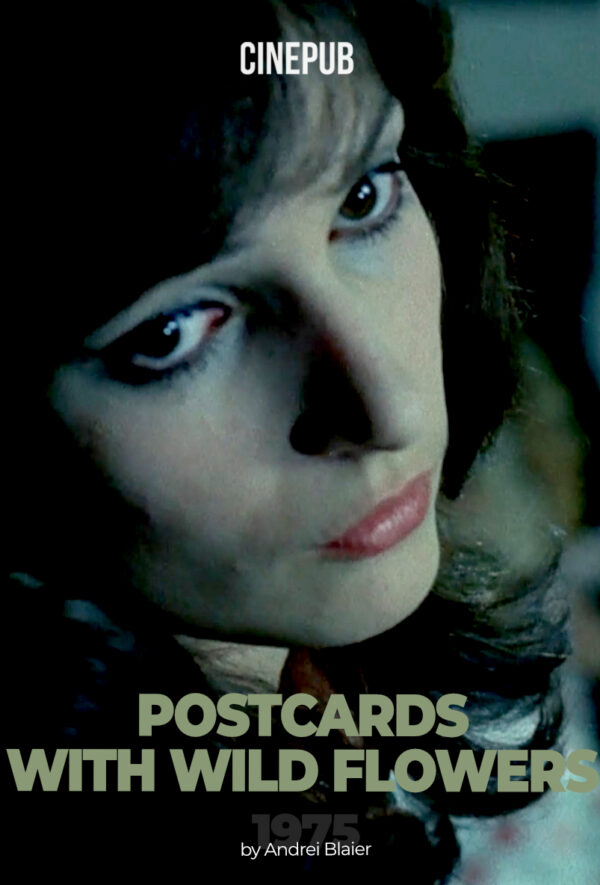
Laura (Carmen Galin) arrives from a small town on the Danube to get rid of an unwanted pregnancy. She turns to Irina (Elena Albu) and her mother (Eliza Petrăchescu) for an induced abortion, which results in her death. Overcome by guilt that was not her own, Irina commits suicide.
AWARDS
- Image Award (Dinu Tanase)
1975 – ACIN
- Director Award (Andrei Blaier)
1975 – ACIN
- Award for Best Actress (Draga Olteanu Matei)
1975 – ACIN
- Award for male performance (Gheorghe Dinică)
1975 – ACIN
- Costume Design Award (Ileana Oroveanu)
1975 – ACIN
CRITICAL REVIEWS:
“With “Postcards with Wild Flowers” (February 1975), the director earns his fame as a “filmmaker of current events”, the movie having an additional significance in Andrei Blaier’s creation, being his first auteur film. The director also changes his angle of vision in his exploration of reality, approaching everyday events with a greater social impact, showing a strong sense of civic, citizen’s sense. The tragic life experience of the young heroine (discreetly played by Carmen Galin) is the result of anachronistic practices and mentalities, the reflection of an attitude of contempt and defiance towards moral values. In spite of its poetic title, Andrei Blaier’s film is an “insect” in which harmful types and tics are fixed, to which classy actors such as Draga Olteanu Matei, Eliza Petrăchescu and Gheorghe Dinică give a terrible, frightening authenticity, because they end up being mistaken for real characters from our everyday slums. In this heinous world, the pure, delicate character, drawn with sincerity and grace by Elena Albu, seems unreal. The cinematographer Dinu Tănase, the other collaborators of the film crew – the composer Radu Șerban, the set designer Vasile Rotaru, the costume designer Ileana Oroveanu -, other actors in the cast (Dan Nuțu, Ana Ciclovan, George Mihăiță, Paul Ioachim, Constantin Florescu) contribute, each in their own way, together with Andrei Blaier, to the success of a movie with precious realistic and clearly satirical purposes.”
“Blaier surprises in 1975 with his life’s masterpiece, “Postcards with Wild Flowers”. As usual, he rushes to fulfill an official political commission. But the imposed conjuncture in the communist birth control strategy is mysteriously transformed into a simple, dramatically simple story of two lives brutally and stupidly shattered, early on, by a clandestine abortion.”
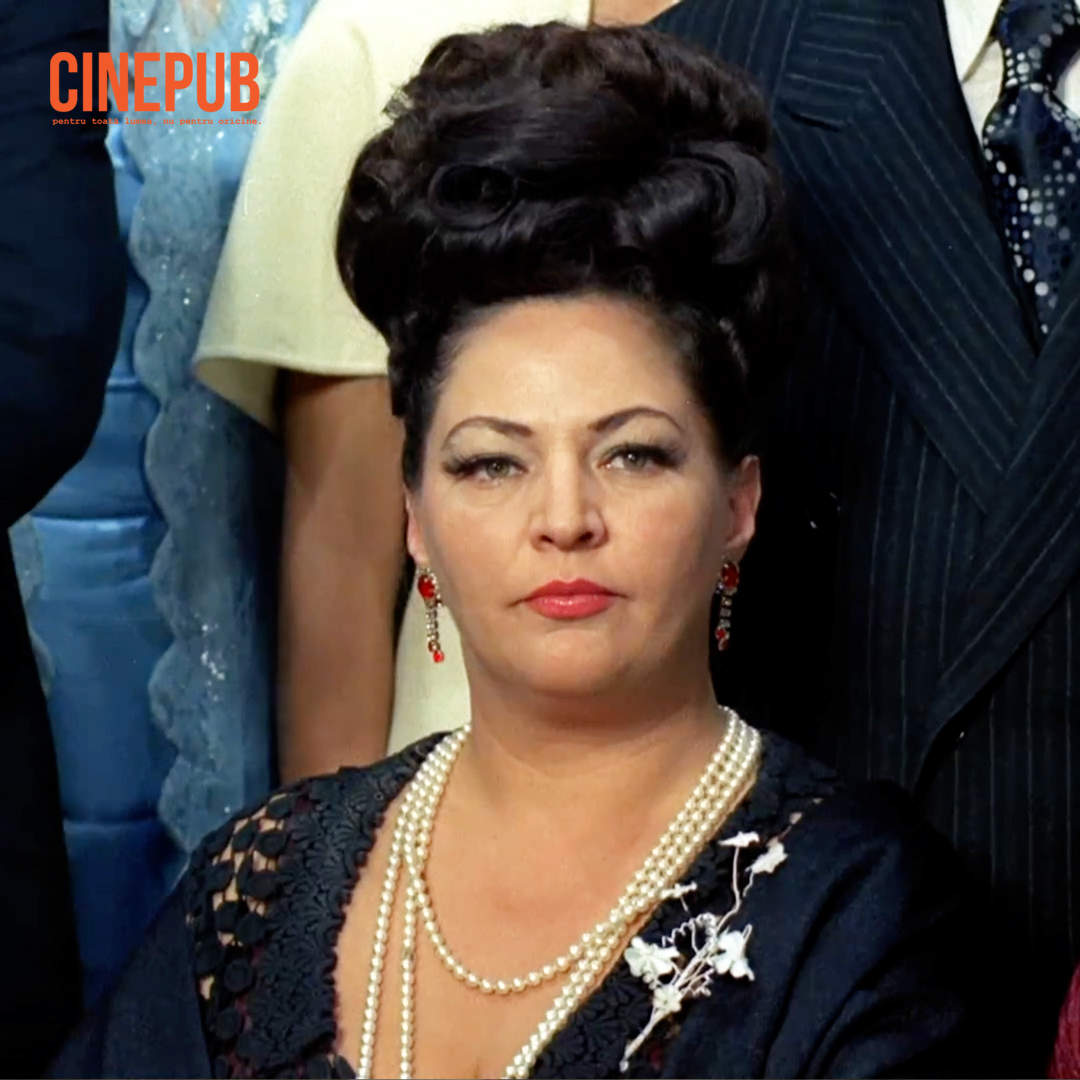
“Blaier proves a true anthropological sense in capturing an entire slum micro-society, with varied characters, from the grocery store manager – Gheorghe Dinică playing his usual role of sentimental scoundrel – to the flirtatious teacher, the restless taxi driver, the absent-minded groom and last but not least, the voluptuous matron, a formidable Draga Olteanu-Matei Olteanu in one of the most successful performances in Romanian cinema. The “midwife” Titina is a woman between two ages who monopolizes the stage regardless of the situation, slightly mischievous, manipulative, with a facade of bigotry, juggling with rhetorical dexterity between different religious maxims and invocations of Orthodox saints, cynical, but also possessing a certain worldly realism.”
“The action in “Postcards with Wildflowers” is built as a pivot around Laura’s death, which is placed, in fact, right in the middle of the movie. The first part focuses on Irina’s premonitory anxiety against the backdrop of a jubilant day. The second part still fixates on Irina; only this time, as a moral, self-flagellating being, in contrast to the rest, who either suspects nothing or tries to hide the truth at all costs.”
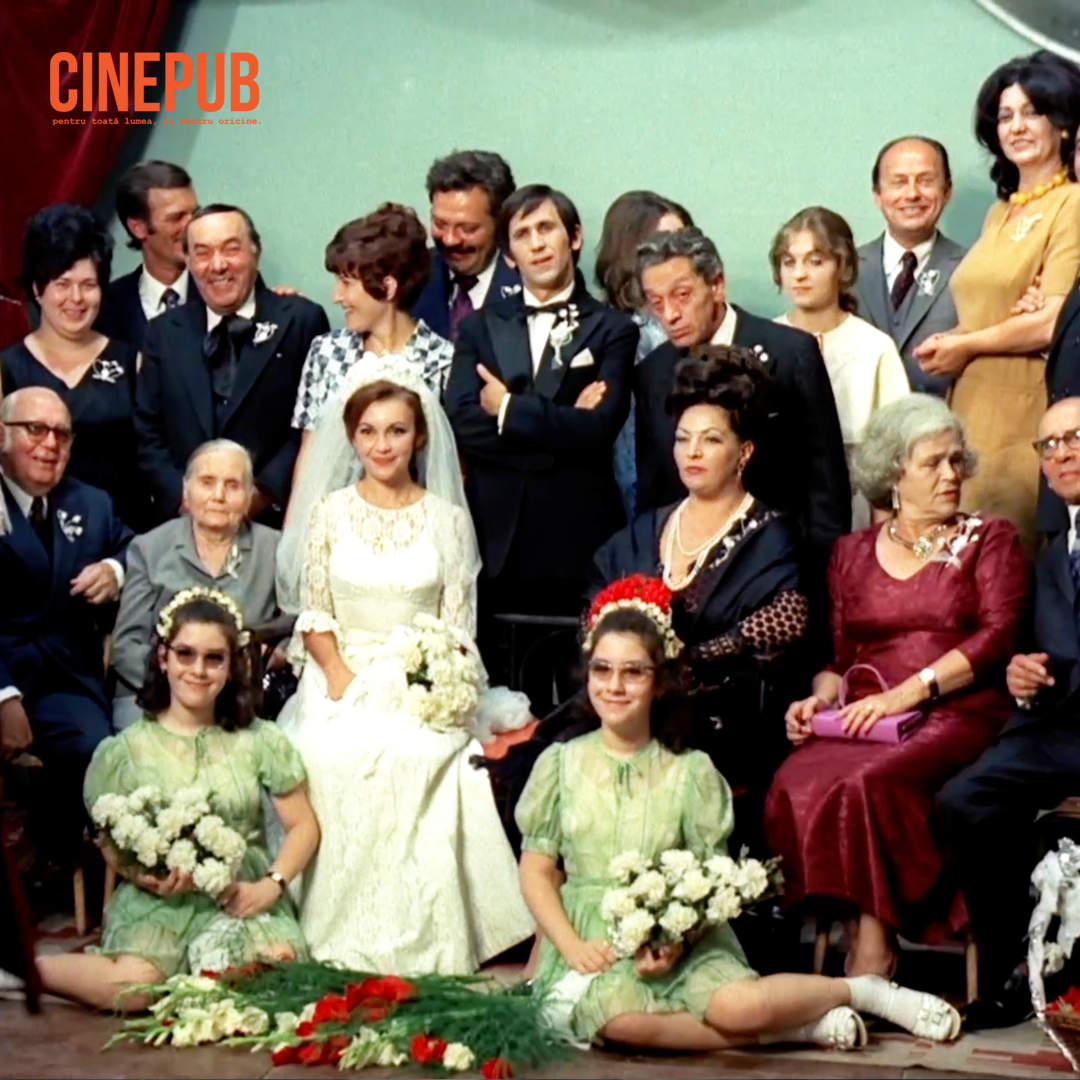
“The wedding unfolding in parallel with Laura’s death is a device akin to the masking of rifle noises under fireworks.The suspense is heightened by the interweaving of the two plans, in which Irina’s boyfriend Victor actively participates. With the death, Laura’s body becomes the concrete matter of the tragic, but also of the imminent danger of the consequences that will befall the culprits. It’s just that the investigative part, which becomes more and more pressing towards the end of the film, is not fulfilled. A slice in the life of a small community and a newcomer who crosses their space ends in a discordant register.”
CINEPUB'S REVIEW
IF YOU WANT TO FIND MORE DETAILS ABOUT THIS MOVIE
LOGIN HERE
CINEPUB UNIVERSAL
This premiere is part of a national archive project supported by the Romanian National Film Center.
Special thanks goes to the Romanian Filmmakers Union and to the Romanian Film Archive.
Your feedback has been sent.
Thank you! We have received your feeedback and we'll try to repair it as soon as possible.
We faced problems while connecting to the server or receiving data from the server. Please wait for a few seconds and try again.
If the problem persists, then check your internet connectivity. If all other sites open fine, then please contact the administrator of this website with the following information.
TextStatus: undefined
HTTP Error: undefined
Some error has occured.